The Epstein Files are Worse Than You Think!
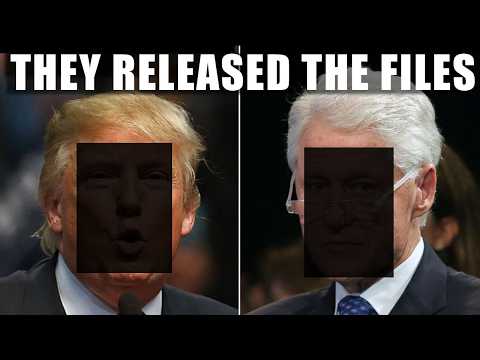
The packaging promises“The packaging promises a reveal of explosive or incriminating new information regarding high-profile figures involved in the Epstein case.”
While the thumbnail uses provocative imagery to drive clicks, the video content substantively addresses the institutional failures and evidence issues promised by the title.
The video correctly states that the Department of Justice released 11,034 documents related to Epstein and has identified over a million additional records needing review, and it accurately cites Attorney General Pam Bondi's claim about the files being on her desk.
The video inflates its claims by suggesting the documents confirm a 'wider conspiracy' and 'systemic incompetence'—neither of which are substantiated by the cited evidence. The actual figures only confirm the volume of documents, not their content or implications.
The video relies on official data for its factual claims but overreaches by interpreting those figures as proof of broader conspiracies without direct evidence.
The video's facts are correct, but its conclusions go far beyond what the evidence shows.
The Epstein files reveal a staggering scale of institutional failure and deliberate obstruction, exposing a wider conspiracy and systemic incompetence in handling the case. The Department of Justice's chaotic release process, combined with damning evidence of ignored warnings and redacted co-conspirators, confirms that Epstein's crimes were far more extensive and protected than previously acknowledged.
The congressional order requiring the Department of Justice to release the Epstein files was initially seen as a victory for transparency. However, the release process has been marked by incompetence, technical failures, and selective disclosure. To date, only 11,034 documents have been released, but the DOJ admitted to uncovering over a million additional records, suggesting the public has seen just 1% of the total cache. Critics argue this disparity amounts to a deliberate failure to comply with the law. Technical slipups revealed that redactions often protected reputations rather than victims, exposing financial records and details the law explicitly forbade hiding.
The files contradict the official narrative that Epstein operated alone. Federal agents identified and attempted to contact 10 potential co-conspirators after Epstein's 2019 arrest, with three names unredacted: Ghislaine Maxwell, Jean-Luc Brunel, and Leslie Wexner. The FBI was alerted to Epstein's abuse as early as 1996 when Maria Farmer reported he had stolen nude photos of her sisters, aged 12 and 16, and sold them to potential buyers. This revelation shatters the myth of Epstein as a mere playboy, depicting him instead as a predator who targeted children.
The release also includes bizarre anomalies, such as a suicide note purportedly written by Epstein to Larry Nassar, which the DOJ labeled as unfounded and false. Technical failures in the document release process, such as a coding glitch that rendered Trump's name invisible in searches, further fuel accusations of bias and obstruction. The DOJ's framing of the release included a specific disclaimer warning of untrue claims about Trump, but no such warning was offered for other figures.
Journalists have uncovered the true source of Epstein's wealth, exposing him as a scammer who built his empire on fraud and Ponzi schemes. Leslie Wexner, Epstein's primary patron, entrusted him with control over his billions, which Epstein misappropriated to buy mansions, planes, and credibility. The files also reveal that two prominent finance figures, Jess Staley and Steven Hoffenberg, were named as executives in Epstein's wills.
The sheer scope of Epstein's orbit includes a surreal cast of characters from the global elite, though appearing in photographs or flying on his jet does not inherently imply criminal wrongdoing. However, the files confirm a long, comfortable friendship between Epstein and Bill Clinton, with images of Clinton relaxing in hot tubs and swimming with Ghislaine Maxwell. The White House's attempt to manufacture a scandal by tweeting a misleading photo of Clinton with Michael Jackson and Diana Ross further highlights the politicization of the case.
The failure to investigate Epstein's financial crimes is a farce, with federal agents failing to uncover the source of his wealth despite possessing the ultimate investigative toolkit. Journalists, however, revealed Epstein's grubby reality, dismantling the myth of him as a financial wizard. The files also raise questions about prior administrations' motives for keeping them sealed, suggesting Epstein was a bipartisan embarrassment who compromised everyone he was involved with.
- 01The DOJ has released only 11,034 documents but admitted to uncovering over a million additional records, suggesting the public has seen just 1% of the total cache.
- 02Federal agents identified 10 potential co-conspirators after Epstein's 2019 arrest, with three names unredacted: Ghislaine Maxwell, Jean-Luc Brunel, and Leslie Wexner.
- 03Maria Farmer reported Epstein's abuse to the FBI in 1996, including the theft and sale of nude photos of her sisters, aged 12 and 16.
- 04A suicide note purportedly written by Epstein to Larry Nassar was labeled as unfounded and false by the DOJ, but its inclusion fuels conspiracy theories.
- 05Technical failures in the document release process, such as a coding glitch that rendered Trump's name invisible in searches, suggest bias and obstruction.
- 06Journalists uncovered Epstein's true source of wealth, exposing him as a scammer who built his empire on fraud and Ponzi schemes.
- 07Leslie Wexner, Epstein's primary patron, entrusted him with control over his billions, which Epstein misappropriated to buy mansions, planes, and credibility.
Who's it forIndividuals seeking a detailed breakdown of the Epstein files and the systemic failures surrounding their release will benefit from watching the full video.
Only claims we could verify and cite are shown.
While the "Epstein Files" contain millions of pages detailing Epstein's personal and professional networks, the Department of Justice and investigative reviews have concluded that these documents do not provide evidence of a wider sex trafficking ring for powerful men or a "client list" of individua
On December 22, 2025, the Department of Justice released a specific batch of 11,034 documents, but this was only one small part of a much larger production that ultimately totaled approximately 3.5 million pages by early 2026.
The Department of Justice released 11,034 documents on December 22, 2025, but this was only one of several releases, with millions of pages of records eventually made public.
On December 24, 2025, the Department of Justice announced it had uncovered over one million additional documents potentially related to the Jeffrey Epstein case that required further review.
Internal FBI emails from July 2019, released in December 2025, confirm that federal agents identified 10 potential "co-conspirators" and were actively issuing grand jury subpoenas to them following Jeffrey Epstein's arrest.
On December 24, 2025, the Department of Justice announced that it had uncovered over one million additional documents potentially related to the Jeffrey Epstein case that required review.
Newly released FBI emails from 2019 confirm that federal agents identified 10 potential co-conspirators following Jeffrey Epstein's arrest and actively pursued them, including by serving grand jury subpoenas in multiple states.
On December 22, 2025, the U.S. Department of Justice released a specific batch of 11,034 documents as part of its ongoing compliance with the Epstein Files Transparency Act.
In late December 2025, the U.S. Department of Justice confirmed it had identified over one million additional records potentially connected to the Jeffrey Epstein case that required review.
In a February 2025 interview on Fox News, Attorney General Pam Bondi stated, "It's sitting on my desk right now to review," in reference to the Jeffrey Epstein client list.